
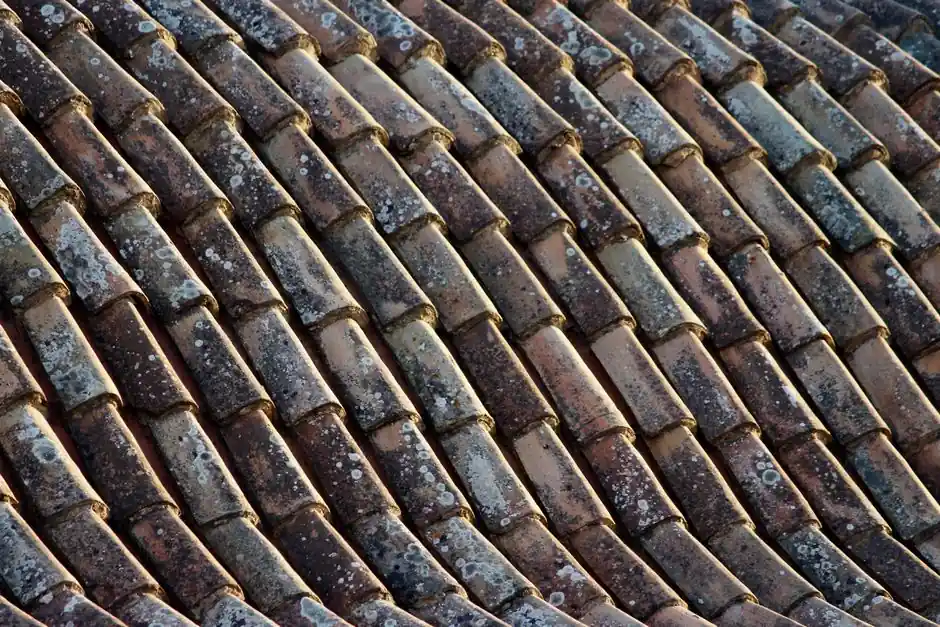
You can remove moss from a Connecticut roof safely by killing it first, then gently scraping it off with a soft-bristle brush or plastic scraper, and finally applying a moss-prevention treatment. Never pressure-wash asphalt shingles - the spray strips the protective granules and turns a cosmetic problem into a replacement. Moss removal is a maintenance task that costs $250-$600 for a typical Connecticut home in 2026, and doing it right protects the 15-20 years of life left in your shingles.
Connecticut's humid summers, shaded lots, and long damp springs make moss a near-annual visitor on north-facing roof planes. We see it on everything from 1920s Hartford bungalows to newer builds in the Litchfield hills. This guide covers why moss shows up, how to remove it without wrecking your roof, and when it is time to bring in a pro.
Why moss grows on Connecticut roofs
Moss grows on Connecticut roofs because our climate delivers the three things it needs: moisture, shade, and organic debris. The state averages 45-50 inches of rain per year, and coastal towns like Branford and Bridgeport add salt-laden fog that keeps shingles damp well into the morning. Add a tree canopy - maples, oaks, and the occasional white pine - and you have a roof that stays wet for hours after a storm.
Moss spores land on your roof constantly. They only take hold where water lingers. That is why you see moss first in the valleys, along the north-facing slope, and behind chimneys or dormers where leaves collect. Once a patch establishes, it holds moisture against the shingle like a sponge, and the problem compounds season after season.
Older homes tend to have it worse. The 3-tab shingles common on mid-century ranches in Ansonia and Berlin have less granule coverage than modern architectural shingles, so they stay wetter longer. If your roof is 12-15 years old and you have not cleaned it, moss is probably already working on the edges.
Is moss actually damaging your roof?
Yes - moss damages a roof by lifting shingle edges, trapping moisture against the deck, and accelerating granule loss. It is not just a cosmetic issue. A thick moss mat can hold water for days, and that constant moisture finds its way under the shingles and into the underlayment.
Here is what we find when we pull moss off a roof that has been ignored for five or more years:
- Curled shingle edges where the moss rhizoids (root-like threads) have pushed under the tabs.
- Exposed asphalt - the black, granule-free patches that sun and rain degrade quickly.
- Soft decking around the moss zone, which means water has been sitting there long enough to rot the plywood.
- Clogged valleys and gutters from moss fragments washing down after a storm.
Left alone, moss can shave 3-5 years off a roof's service life. On a roof that would have lasted until 2040, that is a real loss. The good news: if you catch it early, removal is cheap and the damage is reversible.
How do you remove moss from a Connecticut roof safely?
You remove moss safely by killing it before you touch it, then lifting it off with hand tools - never a pressure washer. The sequence matters. If you scrape live moss, you spread spores and leave rhizoids behind. If you kill it first, the moss dries out, releases its grip, and comes off in sheets.
Here is the step-by-step method we use on Connecticut roofs:
- Wait for dry weather. Pick a stretch of two or three rain-free days. Wet moss is slippery and heavy.
- Apply a moss killer. Use a commercial moss-removal product labeled for asphalt shingles, or a 50/50 mix of white vinegar and water for light growth. Spray it on the moss, not the whole roof.
- Let it work for 24-48 hours. The moss turns brown and shrivels. You will see it pull away from the shingle surface.
- Remove it gently. Use a soft-bristle brush, a plastic scraper, or your hands with gloves. Work from the top of the slope downward so debris falls off the roof, not into your valleys.
- Clear the gutters. Moss fragments will wash down. If you skip this, you will be dealing with a clogged downspout within a month.
- Apply a prevention treatment. Zinc or copper strips near the ridge, or a commercial moss preventer, slow the next round.
If you are not comfortable on a ladder, or your roof pitch is steeper than 6/12, stop here. A fall from a two-story Connecticut colonial is not worth saving a few hundred dollars. Our team handles roof repair in Connecticut and routine maintenance for homeowners who would rather stay on the ground.
What tools and solutions work best
The right tools for moss removal are simple and cheap. You do not need a pressure washer, and you should not use one. Here is what actually works on Connecticut roofs:
- Soft-bristle scrub brush on a long pole - $25-$40 at any hardware store.
- Plastic scraper or putty knife - for lifting moss off valleys and around penetrations.
- Garden sprayer - for applying vinegar or commercial moss killer evenly.
- Zinc or copper strips - installed near the ridge, these release metal ions that stop moss from establishing. A 50-foot roll runs $40-$80.
- Fall-arrest harness and roof anchors - non-negotiable if you are going above the first story.
On the chemical side, look for products with potassium salts of fatty acids or zinc sulfate. Avoid bleach-based cleaners on asphalt shingles - they break down the asphalt binder and leave streaks. Vinegar works for light moss but needs repeat applications. For heavy growth, a dedicated moss-removal concentrate is faster and safer for the shingle.
One more tool worth mentioning: a leaf blower with a soft nozzle. After the moss is dead and dry, a gentle pass clears debris from valleys without scratching the surface. Just do not use it at full throttle on old shingles.
Preventing moss from coming back
Prevention comes down to three things: sunlight, drainage, and metal. Moss needs shade and standing water. Take those away and it stops returning.
Trim tree branches back so the roof gets at least four hours of direct sun per day. Clean gutters twice a year - late spring and late fall - so water never backs up under the shingle edges. And install zinc or copper strips along the ridge; rain carries the metal ions down the roof and creates a zone where moss will not grow. Those strips last 10-15 years and cost a fraction of a new roof.
If your roof has a lot of organic debris - pine needles, oak tassels, maple seeds - consider a professional roof inspection in Connecticut every two years. We check for moss, granule loss, and the early signs of deck rot before they turn into a five-figure problem. Homeowners in heavily wooded towns like Roofing in Barkhamsted deal with this more than most, and a two-year inspection cycle keeps their roofs ahead of it.
Common mistakes to avoid
The biggest mistake we see is pressure-washing. It is fast, it looks satisfying, and it destroys your roof. The high-pressure spray strips granules, forces water under shingles, and can crack older asphalt. We have replaced roofs where the only real damage came from a homeowner's pressure washer, not the moss.
Other mistakes to avoid:
- Scraping live moss. You spread spores and leave rhizoids behind. Kill it first.
- Using bleach or undiluted vinegar on the whole roof. It streaks shingles and kills the grass below your downspouts.
- Walking the roof in wet conditions. Moss plus moisture equals a slip hazard. Wait for dry weather.
- Ignoring the gutters. Moss debris clogs them, and clogged gutters cause ice dams in January.
- Letting it come back. One treatment is not a permanent fix. Connecticut's climate guarantees a second round without prevention.
If you have already pressure-washed and you are seeing bare patches, do not panic. A Connecticut asphalt shingle roofing contractor can tell you whether the damage is cosmetic or structural. Sometimes a targeted repair is all you need.
When to call a professional
Call a professional when the moss covers more than 20% of a roof plane, when you see soft spots or sagging, or when your roof pitch is too steep to walk safely. Those are the three situations where DIY removal costs more than it saves.
We also recommend a pro when the moss is concentrated around chimneys, skylights, or valleys. Those areas are where leaks start, and pulling moss off them without damaging the flashing takes experience. Our team at RoofPros Connecticut handles moss removal, gutter cleaning, and a full roof condition report in a single visit. If we find damaged shingles underneath, we tell you - and we fix them the same day if you want us to.
One more reason to call: if your roof is under 10 years old and already has heavy moss, something else is going on. Poor attic ventilation, a bad pitch, or a drainage issue could be feeding it. A pro will spot that.
Frequently Asked Questions
Does moss removal damage shingles?
Not if you kill the moss first and remove it with hand tools. Pressure-washing does damage shingles - it strips granules and forces water underneath. Gentle scraping after the moss is dead is safe and leaves the shingle intact.
What is the best time of year to remove moss in Connecticut?
Late summer or early fall, from August through October, is ideal. Moss is dry, the weather is stable, and you have time before winter. Spring works too, but you will be dealing with wetter conditions and faster regrowth.
How much does moss removal cost in Connecticut?
For a typical 1,500-2,000 sq ft roof, professional moss removal runs $250-$600 in 2026. That includes treatment, removal, and gutter cleanup. Add $100-$200 if you want zinc strips installed at the same time.
Can I just leave the moss on my roof?
You can, but it will cost you. Moss holds moisture against the shingles, lifts edges, and can rot the decking underneath. Left for five or more years, it typically shortens roof life by 3-5 years.
Does homeowners insurance cover moss damage?
Usually not. Most Connecticut policies treat moss as a maintenance issue, not a sudden loss. That means prevention and timely removal are on you - and they are far cheaper than a claim denial.
Get help with Roofing in Connecticut
If moss has taken over a roof plane, or you would rather not spend a Saturday on a ladder, we can help. RoofPros Connecticut handles moss removal, roof inspections, and full roofing services Connecticut for homeowners across the state.
Call (844) 720-2263 to schedule a visit. We will tell you what the moss has actually done to your roof and what it takes to fix it.