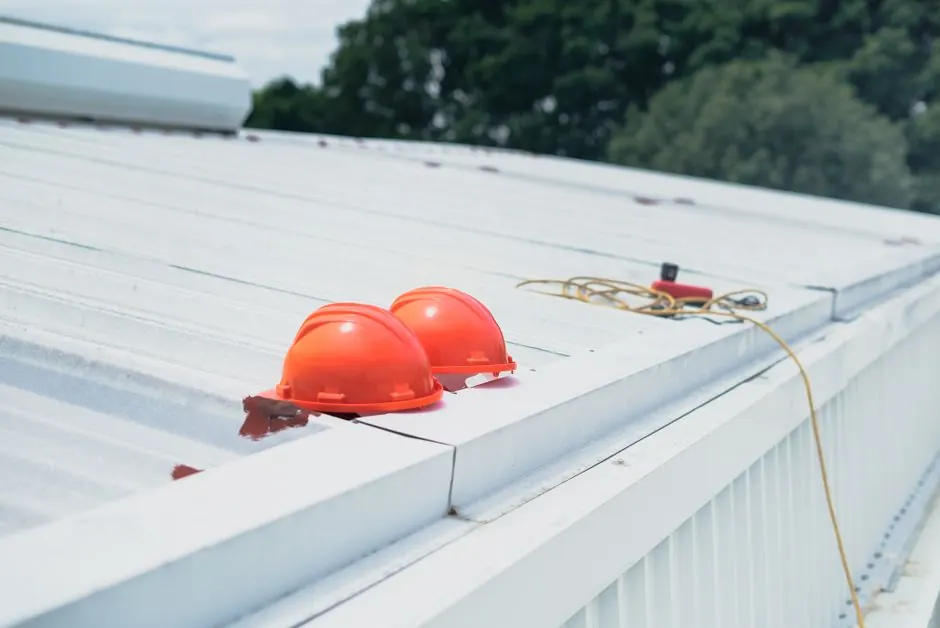
Full Roof Surface Walk
We inspect every slope, valley, ridge, and penetration on foot. We check asphalt shingles for curling, cracking, and missing tabs, and we probe suspect areas with a pry bar to test for soft decking underneath.
Every inspection is a full roof system evaluation, not a quick glance from the ladder. Here is what is covered on a standard visit. If your situation needs something extra, like drone imaging on a steep or fragile roof, we tell you upfront before we start.
We inspect every slope, valley, ridge, and penetration on foot. We check asphalt shingles for curling, cracking, and missing tabs, and we probe suspect areas with a pry bar to test for soft decking underneath.
Chimneys, vents, skylights, and pipe boots are where most Connecticut leaks start. We check the flashing, sealant, and boots at every penetration, and we look for rusted roofing nails that signal long-term moisture.
We go inside to check for staining, daylight, attic condensation, and insulation blocking the eaves. Poor ventilation shortens shingle life and feeds ice dams, so this step matters as much as the roof surface.
Gutter overflow rots fascia and backs water up under the drip edge. We check hangers, seams, and downspout discharge, and we note where grading or gutter guards are sending water toward your foundation.
You get 30 to 60 labeled photos, a condition rating per roof section, and a clear recommendation with line-item pricing for any repairs. Delivered within 24 hours, formatted for insurance and real estate use.
We check whether your roof meets current Connecticut code for ice and water shield coverage and verify that existing manufacturer warranties are still valid. Anything that could void a claim gets flagged in the report.
A roof inspection in Connecticut is a top-to-bottom evaluation of your roof system that tells you exactly what condition it is in and what it needs next. We walk every slope, check the asphalt shingles for curling or missing tabs, probe the flashing at chimneys and valleys, and look inside the attic for staining, daylight, or condensation. We also check the ridge vents, drip edge, and gutter line, because half the leaks we find in Connecticut start at the edges, not the middle of the field.
Connecticut roofs take a beating. Ice dams form along the eaves in January, nor'easters rip tabs off south-facing slopes, and summer humidity cooks attic sheathing until it sags. If you have not had a professional roof inspection Connecticut homeowners trust in the last two or three years, you are guessing. An annual roof inspection Connecticut schedule catches a $400 flashing repair before it becomes a $9,000 deck replacement, and it gives you documentation for insurance claims after hail damage or wind damage.
Five steps, one visit, no surprises. Here is exactly what happens from the moment you call until the report hits your inbox.
Schedule
Call or book online — a real human picks up and confirms a 2-hour arrival window.
Diagnose
Licensed tech inspects on-site, then walks you through the cause and your options.
Fix
The job is completed to code and done right the first time — no shortcuts, no surprises.
Guarantee
Every job backed by a written workmanship warranty — and we stand behind it.
 Tools & Equipment
Fall Protection Harness
OSHA-compliant harness and anchor system used on every roof walk, regardless of pitch. Safety setup is not optional, and it is why we can inspect steep slopes other companies skip.
Pry Bar and Utility Knife
Used to probe soft decking, lift shingle tabs, and open suspect flashing without causing damage. A pry bar tells us more about decking condition than any visual check.
Tape Measure and Chalk Line
For measuring slope dimensions, checking exposure on shingle courses, and marking repair areas. Accurate measurements mean accurate repair pricing instead of a vague estimate.
Ladder and Roofing Shovel
Extension ladders with standoff stabilizers for safe access, plus a roofing shovel for clearing debris and lifting shingle courses during repairs. We protect gutter edges with ladder mitts.
Magnetic Sweeper
Run across the lawn and driveway after every repair to pick up stray roofing nails. It takes five extra minutes and saves your tires and your dog's paws.
Caulking Gun and Roof Cement
For sealing flashing, resetting lifted tabs, and temporary repairs. We use manufacturer-approved sealants that stay flexible through Connecticut freeze-thaw cycles.
Slope-by-Slope Condition Rating
Each roof section gets rated separately for shingle condition, flashing integrity, and decking soundness. A south slope can be cooked while the north slope is fine, and a single overall rating hides that. Our reports break it out so you can repair only what is worn.
Attic-Side Leak Tracing
We follow water stains, rusted nails, and daylight from inside the attic to narrow down the entry point before we get on the roof. That cuts inspection time and prevents the guess-and-seal approach that leaves leaks coming back.
Hose Test Verification
After any leak repair, we run water over the repaired area and watch from the attic side. If it stays dry, the repair is done. If not, we keep working until it does. No repair is finished until it passes.
Manufacturer Warranty Compliance Check
We verify that your roof meets the installation requirements for GAF, Owens Corning, CertainTeed, and IKO warranties, including ice and water shield coverage and ventilation specs. Non-compliant work voids coverage, and we flag it before it costs you a claim.
01
What we do: We inspect the roof and produce a report formatted for real estate negotiations, with photos, condition ratings, and repair pricing. We can usually schedule within three business days so you do not hold up the closing.
→ You walk into negotiations with documented numbers instead of a guess, and both sides can agree on a credit or repair scope.
02
What we do: We do a post-storm assessment, document hail damage or wind damage with dated photos, and tarp anything that is actively leaking. If there is a claim to file, our report gives your adjuster what they need.
→ You either get a clean bill of health or a documented claim, and you are not paying out of pocket for damage your policy covers.
03
What we do: We rate each slope separately, check the underlayment and flashing, and compare your shingles against their rated lifespan. You get a straight answer on repair versus replacement and a timeline for either.
→ You can budget for a replacement on your schedule instead of getting surprised by a leak in February.
04
What we do: We inspect the roof and the prior work, check whether the repair was done to code, and tell you whether the replacement quote you received is justified. No charge for the second opinion if you book the inspection.
→ You either confirm the replacement is needed or save thousands by repairing what is actually wrong.
Connecticut roofs live in a freeze-thaw cycle that most of the country does not deal with. Water gets into a hairline crack in January, freezes overnight, expands, and by March that crack is a leak. Along the shoreline in towns like Milford and Guilford, salt air and nor'easters drive wind damage and corrode flashing fasteners. Inland and up in the Litchfield hills, ice dams and heavy snow loads are the bigger threat, and older homes in Barkhamsted and Falls Village often have roof decking that has been patched three or four times. We adjust our inspection checklist by region: shoreline roofs get extra attention on fasteners and wind uplift, hill-town roofs get extra attention on ice and water shield coverage and attic ventilation. Connecticut code requires ice and water shield along the eaves, and we verify it is actually there, because plenty of older roofs are missing it. Whether you need a routine annual roof inspection Connecticut schedule or a same-week assessment before closing, we cover the whole state from one dispatch line.
Shoreline towns (Milford, Guilford, Old Greenwich)
Salt air corrodes flashing and fasteners faster here. We check every penetration for rust and verify wind-rated shingle installation, since nor'easters hit these towns hardest.
Litchfield hills (Barkhamsted, Falls Village, Lakeville)
Higher snow loads and longer freeze cycles. Ice and water shield coverage and attic insulation depth get the closest look on these roofs.
Naugatuck Valley (Derby, Plymouth, Southbury)
A mix of older housing stock and mature tree cover. We check for limb damage, moss growth on shaded slopes, and decking rot from years of trapped moisture.
Fairfield County commuter towns (New Fairfield, Sandy Hook, Bridgewater)
Many roofs here are 20-plus years old and due for evaluation. We rate remaining shingle life and flag anything that could affect a sale or refinance.
Freeze-thaw cycles from December through March
Water enters small cracks, freezes, and expands them. By spring, hairline flashing failures become active leaks. Fall inspections catch these before the first hard freeze.
Nor'easters and tropical storm remnants
Wind-driven rain pushes water sideways under shingles and lifts tabs on exposed slopes. Post-storm inspections document damage for insurance before it is repaired or worsened.
Summer humidity and attic heat
Poor ventilation traps moisture in the attic, softening roof decking and shortening shingle life from the underside. We check intake and exhaust venting on every inspection.
Mature tree canopy across much of the state
Shade keeps north slopes damp, feeding moss growth and algae streaks. Branches also drop debris that clogs valleys and gutters, backing water up under the shingles.
These are the calls we get most often. If any of them sound familiar, a roof inspection near me Connecticut search is probably overdue.
Problem
Water travels along rafters before it drips, so the stain is rarely under the actual hole. Guessing at the source wastes money and lets rot spread through the roof decking.
Our Fix
We trace the leak from the attic side and the roof side, then confirm the entry point with a hose test. Once we know exactly where water is getting in, we repair the flashing, shingle, or boot that failed and verify it holds.
Problem
Ice dams back melted snow under the shingles and into your walls. Repeated cycles rot the fascia, stain ceilings, and can pull gutters off the house.
Our Fix
We inspect insulation depth, attic ventilation, and the ice and water shield at the eaves. Fixing air leaks and adding intake vents usually solves the root cause, and we repair any shingle or flashing damage the dams already caused.
Problem
Bare spots expose underlayment to UV and rain. One missing shingle becomes five after the next wind event, and the exposed decking starts to soften.
Our Fix
We document the damage with dated photos for your insurance claim, then replace the missing shingles and re-seal lifted tabs. If the storm damage is widespread, we scope a partial or full replacement and work directly with your adjuster.
Problem
Moss holds moisture against the shingle surface, lifting tabs and accelerating granule loss. Those black streaks are algae eating the limestone filler in your shingles.
Our Fix
We clean the moss without pressure-washing the shingles, then treat the slope to slow regrowth. If granule loss is already advanced, we tell you honestly how many seasons the shingles have left.

A good inspection pays for itself. Here is what you actually get when you book a roof inspection service Connecticut residents call us for.
Catch Leaks Early
Most roof leaks start small: a cracked pipe boot, a lifted shingle tab, a rusted nail head. We find them while they are still a $250 fix. Left alone through one Connecticut freeze-thaw cycle, that same leak rots roof decking and stains ceilings, and you are looking at four figures instead of a service call.
Photo Documentation
You get 30 to 60 photos of your own roof, labeled by slope and problem area. That matters for real estate closings, insurance adjusters, and warranty claims. If a storm rolls through and you need to prove pre-existing condition, you have a dated file instead of a memory.
Honest Repair-or-Replace Call
We tell you when a roof has five good years left and when it does not. If your shingles are 12 years into a 30-year GAF Timberline life and only two slopes are worn, we say repair. We do not sell replacements you do not need, and we put the recommendation in writing.
Insurance and Warranty Ready
Our reports follow the format adjusters expect: slope-by-slope condition, cause of damage, and photo evidence. That speeds up hail damage and wind damage claims. We also verify that your existing manufacturer warranties are still valid and flag anything that could void them, like unpermitted work or the wrong underlayment.
Typical 2026 pricing for a roof inspection in Connecticut runs $150 to $450 for a standard single-family home. That covers the full exterior walk, attic check, photo report, and follow-up call. Larger homes, steep pitches, and multi-section roofs push toward the top of that range because they take longer and need more safety setup. If you need a report for a real estate transaction or insurance claim, tell us when you book so we format it correctly. And if we end up doing the repair or replacement, we credit the inspection fee toward the work.
Typical Investment Range
$150 - $450 for a standard residential inspection; $500+ for large or complex roofs with transaction reports
One inspection costs less than a single emergency leak repair, and far less than the decking replacement a missed leak causes. The report also gives you documentation you can use for insurance, real estate, and warranty claims.
What changes the price
Roof size and complexity
A simple gable roof takes 45 minutes to walk. A multi-level roof with dormers, valleys, and multiple chimneys can take 90 minutes or more, and the pricing reflects that extra time and setup.
Pitch and access
Steep roofs require harness anchoring and slower movement, and some need a drone for sections that are unsafe to walk. Steep-pitch and limited-access roofs sit at the higher end of the range.
Report type
A standard homeowner report is included. Real estate transaction reports and insurance claim documentation take extra formatting and photo labeling, and we quote those separately when you book.
Add-on testing
Hose testing for active leaks, moisture meter readings in the attic, and drone imaging on fragile roofs are available as add-ons. We tell you the cost before we start, never after.
Travel distance
We cover the whole state, but remote corners like Falls Village or Lakeville may carry a small trip charge. We waive it when the inspection leads to repair or replacement work.
Google ★★★★★4.9
Booked a roof inspection before listing our house in Southbury. The report was thorough, the photos were labeled clearly, and the inspector explained everything in plain language. Our buyer's inspector found nothing we had not already documented. Smooth closing.
Google ★★★★★4.8
Called after a storm took shingles off in Derby. They came out the next morning, tarped the open section, and had a full report to our insurance company by that afternoon. The claim went through without a fight.
BBB ★★★★★4.9
Third company we called about a leak in North Branford, and the only one that actually got on the roof and found the problem. It was a failed pipe boot, not the whole roof. Fixed for a few hundred dollars instead of thousands.
Yelp ★★★★★4.7
We use RoofPros for annual inspections on a rental property in Old Greenwich. Same inspector every year, consistent reports, and they flag small stuff before it becomes a tenant complaint. Worth every penny.
Our inspectors are roofers first, not clipboard carriers. Every one of them has spent years installing and repairing asphalt shingles, metal roofing panels, and flat membrane systems before ever writing an inspection report. That matters because the person on your roof can tell the difference between hail damage and blistering, or between a manufacturing defect and installer error. We hold Connecticut Home Improvement Contractor registration, carry full liability and workers comp coverage, and work to OSHA safety certification standards on every roof, every pitch, every time.
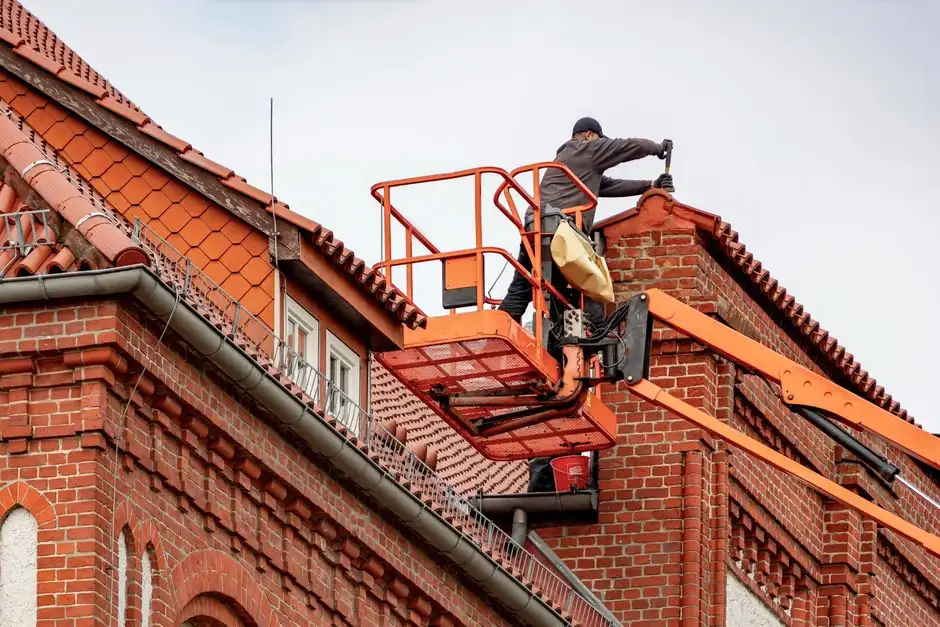
Our roof inspection service Connecticut coverage stretches from the shoreline to the northwest hills. Below are a few of the communities we serve regularly, with the same scheduling, reporting, and repair capability everywhere. If your town is not listed, call us anyway. We cover the entire state.
Hill-town roofs in Barkhamsted face heavy snow loads and long freeze cycles. We check ice and water shield coverage at the eaves and attic ventilation first, since those two items cause most winter leaks here.
Bridgewater's wooded lots mean shade and moss on north slopes. Our inspections there focus on moss growth, valley debris, and the decking condition under all that tree cover.
Older homes in Collinsville often have layered roofing and patched flashing. We inspect the full assembly, note how many layers are up there, and tell you what a future replacement will actually involve.
Derby's mix of older housing stock and valley humidity keeps us busy with flashing failure and attic condensation calls. We inspect both sides of the roof system and document everything for repairs.
Falls Village sits in one of the coldest corners of the state. Ice dams and snow load are the priority here, so we inspect insulation depth, intake venting, and eave protection on every visit.
Shoreline wind and salt air wear on Guilford roofs. We check fastener corrosion, wind uplift on exposed slopes, and post-storm damage, with insurance-ready photos when a claim is needed.
Lakeville roofs deal with lake-effect moisture and hard winters. We look closely at flashing around chimneys and vents, plus the ridge and valley areas where snow sits longest.
Milford's coastal exposure means nor'easters and salt spray. Our inspections there emphasize wind-rated shingle installation, flashing integrity, and drainage around the gutter line.
Many New Fairfield roofs are 20-plus years old. We rate remaining shingle life slope by slope and give you a realistic replacement timeline, useful for budgeting or a pending sale.
North Branford has a lot of mature tree canopy. We check for limb damage, clogged valleys, and moss on shaded slopes, then clear debris and document any damage we find.
Old Greenwich homes often have complex rooflines with dormers and multiple valleys. We walk every section, check each penetration, and produce a detailed report suited to higher-value properties.
Plymouth's older housing stock means layered shingles and aging flashing. We inspect the full roof assembly and flag anything that could affect a warranty or a future replacement scope.
Sandy Hook roofs sit under heavy tree cover and see real winter weather. We inspect for moss, debris in valleys, and ice dam risk, then recommend ventilation fixes where needed.
Southbury's mix of newer builds and older homes keeps our inspectors versatile. We check shingle condition, flashing, and attic ventilation, and we format reports for real estate use when needed.
Taconic's elevation brings more snow and wind than the shoreline. We inspect for wind damage, snow load stress, and eave protection, and we document everything for insurance claims.
Real answers to the questions we hear most often from local homeowners and property managers.
If your inspection says the roof is at the end of its life, we install new asphalt shingles, metal roofing panels, or flat membrane systems. We pull permits, tear off the old layers, and install ice and water shield at the eaves before the first shingle goes down.
View Roof InstallationFull tear-off and replacement for roofs that are past repair. We handle GAF, Owens Corning, and CertainTeed systems, upgrade underlayment and ridge vents, and haul away every roofing nail with a magnetic sweeper before we leave your driveway.
View Roof ReplacementTargeted fixes for the problems our inspections find: flashing failure, cracked pipe boots, missing shingles, and popped nails. Most repairs take two to four hours and cost a fraction of a replacement. We match shingle color and profile as closely as possible.
View Roof RepairActive leaks get priority. We trace the water to its actual entry point, not just the stain on your ceiling, then seal it with roof cement, new flashing, or a shingle patch. We test with a hose before we call it fixed.
View Roof Leak RepairStorm tore open your roof at 10 p.m.? We tarp it, stop the water, and come back in daylight to do the permanent repair. Available 24/7 across Connecticut for storm damage, fallen limbs, and sudden leaks.
View Emergency Roofing ServicesAfter hail damage or wind damage, we document everything for your insurance claim, then repair or replace what the adjuster approves. Our photo reports are formatted the way carriers expect, which speeds up the whole process.
View Storm Damage Roof RepairCall (844) 720-2263 any time, day or night. For routine estimates we answer between 7 a.m. and 7 p.m., and emergency calls roll straight to a live dispatcher. You can also send photos of your roof through the website and we will reply with a ballpark range before we come out.
Phone
(844) 720-2263Address
Connecticut
Hours
Mon–Fri: 7AM – 7PM
Sat: 8AM – 4PM
Sun: Emergency Only
24/7 Emergency Available